
Blog

How Long Does Grieving Last? What to Expect
There's no set timeline for grief. Learn what the grieving process typically looks like, when it may become prolonged and how to find the right support.
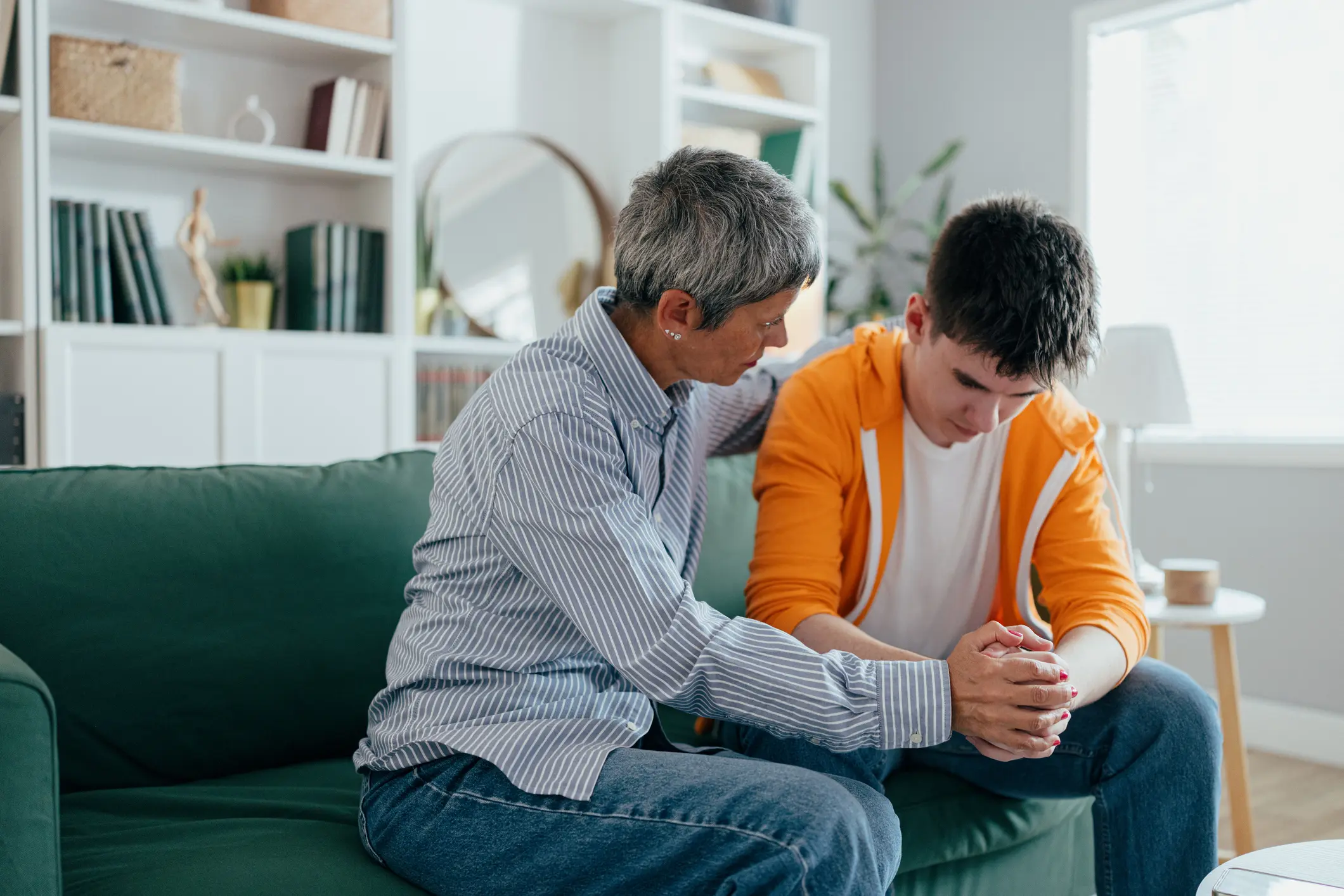
Signs of Trauma in Adolescents: What Families Should Know
Worried about your teenager? Learn the emotional, physical and behavioral signs of trauma in adolescents and find out when to seek professional support.

Early Signs of Depression You Shouldn’t Ignore
Persistent sadness, low energy and social withdrawal can be early signs of depression. Learn what to watch for and when to reach out for support.

The Role of Trauma in Patients With ADHD
ADHD obviously looks different between kids and adults. Adults dealing with inattention and hyperactivity may have more difficulty than average completing long reports for work, sitting through meetings or restaurant meals, paying bills on time or sustaining romantic relationships.

Understanding Stress and Mental Health in the LGBTQIA+ Community
In honor of Pride Month in June, Fuller recognizes and supports members of the LGBTQIA+ community who may be struggling with mental health conditions such as depression, anxiety and suicidal ideation.

What is an Intensive Outpatient Program (IOP) and How Does it Work?
Discover the benefits of an Intensive Outpatient Program (IOP) in mental health care, offering structured support while you maintain daily responsibilities.

How to Choose the Right Partial Hospitalization Program for You
Discover how to choose the right partial hospitalization program for you. Learn about PHP treatment, mental health care and finding quality PHP services.
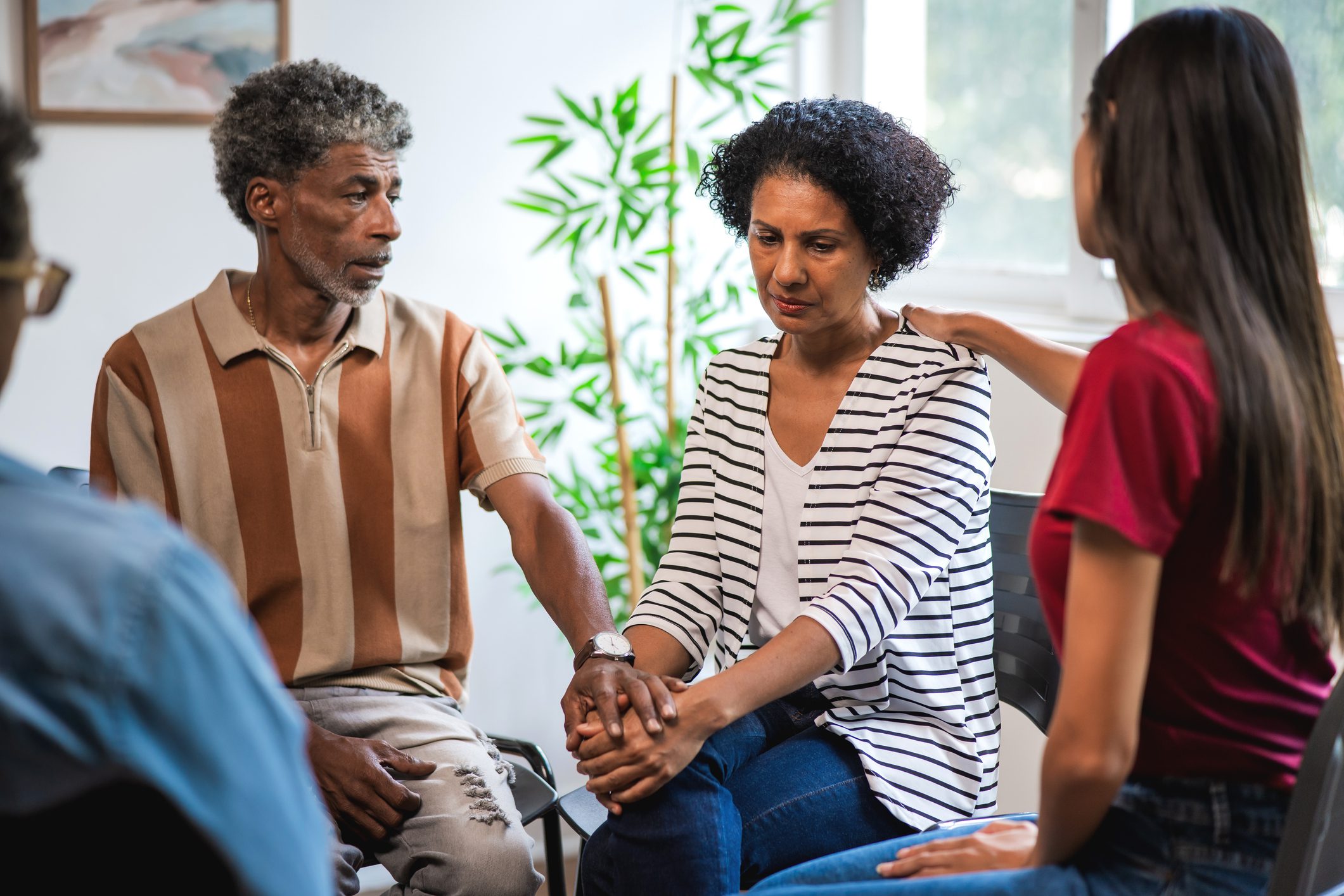
The Role of Therapy in Partial Hospitalization Programs
Discover the vital role of therapy in partial hospitalization programs and how PHP mental health treatment offers intensive support to bridge care gaps effectively.

The Hidden Strength of Social Workers in Mental Health Treatment
Each March, we mark Social Work Month to recognize the contributions of social workers and the ways they support clients, families and communities. The National Association of Social Workers (NASW) identified 2026 as ‘Social Workers: Uplift.