How to Choose the Right Partial Hospitalization Program for You

You already know that one hour of weekly therapy isn’t enough right now, but a locked hospital ward feels like a massive leap. If you are looking for another option, there is a middle ground called a partial hospitalization program (PHP).
Think of this mental health care approach like a full-time job where the daily work is your own recovery. You participate in 25 to 30 hours of treatment weekly, yet you always get to sleep in your own bed.
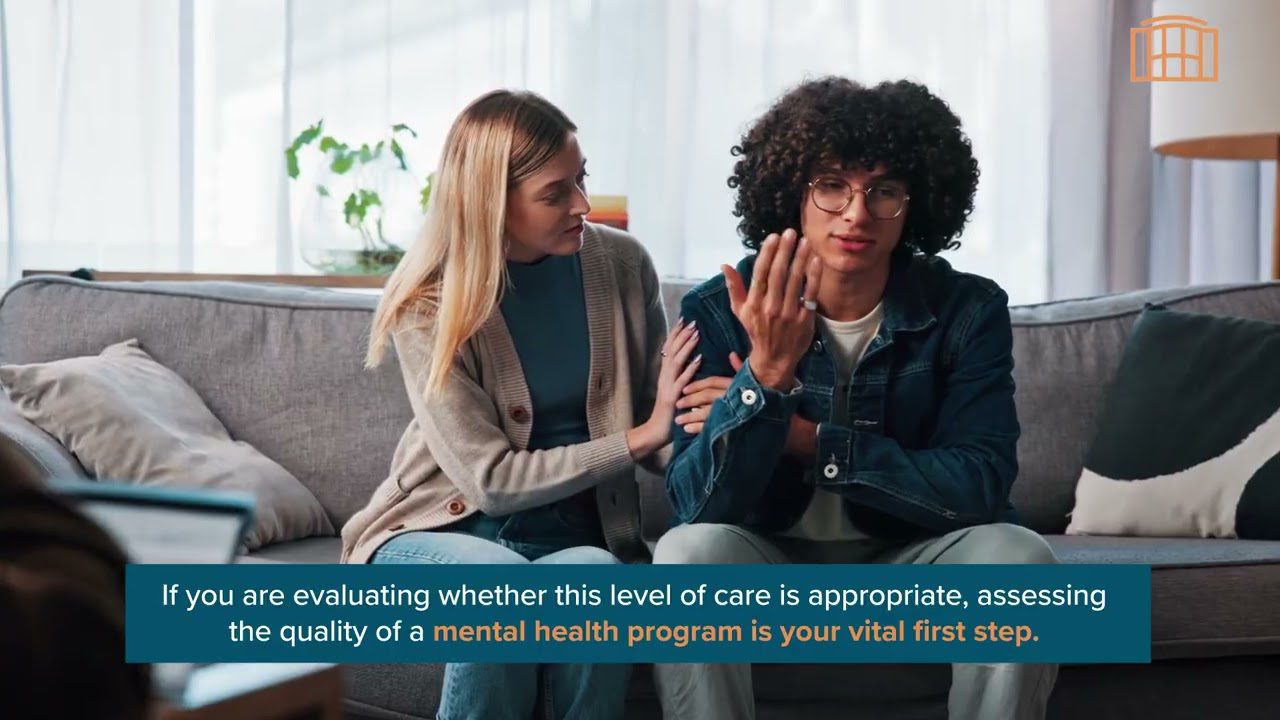
Clinics frequently use this model as step-down care, helping you transition from an intensive inpatient stay back into regular life. If you are evaluating whether this level of care is appropriate, assessing the quality of a mental health program is your vital first step.
If weekly therapy isn’t enough, but inpatient isn’t feasible, there’s a middle ground: a Partial Hospitalization Program (PHP). In this video, we break down what PHP looks like, how it differs from an Intensive Outpatient Program (IOP), and what to look for when choosing a treatment facility you can trust.
PHP vs. Intensive Outpatient: Identifying the Support Level You Actually Need
When weekly therapy isn’t enough, choosing the right behavioral health program is often overwhelming. Doctors first assess your functional impairment — a clinical phrase describing how much your symptoms disrupt your ability to work, study or simply get out of bed. If your life is heavily impacted, understanding the differences between a PHP and an intensive outpatient program (IOP) is critical to your recovery.
The distinction between these two options ultimately comes down to three structural factors:
- Hours per week: PHP is full-time (usually five days a week), while an IOP is generally three days.
- Clinical supervision level: PHP includes daily medical monitoring from nurses or psychiatrists, unlike most IOPs.
- Suitability for crisis stabilization: PHP provides heavy daily support to stabilize an acute crisis, whereas IOP helps you gently transition back to your normal routine.
Once you establish the necessary care level, identifying a trustworthy clinic becomes the primary focus.
How to Spot a High-Quality Treatment Facility
Finding a program while exhausted feels impossible, but two website logos quickly narrow your search. The Joint Commission and CARF act as ultimate quality checks for any healthcare provider. Missing these badges is a significant red flag for mental health facilities, as accreditation guarantees the clinic meets strict national safety standards.
True recovery takes a whole team working together rather than just one good listener. High-quality programs function like a medical pit crew, offering a precise mix of clinical staff credentials for psychiatric care. A psychiatrist manages medications, a social worker plans your future steps and specialized therapists teach daily coping skills.
Guarding your emotional energy means ensuring the clinic uses proven methods to help you heal. Always ask admissions coordinators if they use evidence-based therapies in day treatment, such as Cognitive Behavioral Therapy. These are heavily researched, practical tools designed to stabilize your crisis rather than experimental approaches.
Why Your Treatment Plan Must Be as Unique as Your Fingerprint
Healing isn’t a one-size-fits-all process. Your clinical team must create an Individualized Treatment Plan (ITP) tailored to your specific challenges. Instead of generic worksheets, the ITP components should map out personal goals, like returning to work without panic. This helps to ensure the PHP benefits you and actively solves your daily struggles.
Sometimes, emotional pain overlaps with a substance use issue. If you face both, dual diagnosis treatment in partial programs is necessary. Dual diagnosis involves treating the mental health disorder and the addiction simultaneously. Your team addresses the entire picture rather than forcing you to choose which crisis to fix first.
A strong recovery roadmap never gathers dust in a clinical folder. Providers update this written plan during weekly meetings to reflect real-time progress. As you stabilize, your care team naturally prepares you for the step-down strategy.
Why Aftercare is the Secret to Long-Term Success
Preparing for your exit begins the moment you arrive. While the transition from inpatient to partial hospitalization provides vital stability, returning to normal life requires a robust safety net. High-quality centers help to ensure you never feel abandoned by prioritizing proactive aftercare planning from day one.
This process acts as a sturdy bridge back to everyday life. Proper aftercare planning for PHP graduates must include four essential elements secured before discharge:
- A scheduled appointment with a standard outpatient therapist.
- Clear relapse prevention strategies to navigate daily stressors.
- Access to alumni groups for continued peer connection.
- Reliable local community support resources.
Securing these tools early is one of the greatest benefits of structured day treatment programs, preventing the panic of sudden discharge. You leave fully equipped to maintain your hard-earned progress.
Action Plan to Choosing Your Program Today
You no longer have to navigate the mental health system in the dark. By knowing how to evaluate PHP services, you can confidently identify a supportive, accredited environment. Always trust your gut feeling during that first facility tour or intake call.
Reclaiming your daily life begins with taking that first intentional step. Seeking help is a powerful sign of strength. To avoid feeling overwhelmed, focus on just one action today: call a single facility and ask them to verify your insurance benefits.
Fuller Hospital, located in Attleboro, Massachusetts, provides structured outpatient treatments for adolescents and adults to help them feel better and move forward.
Learn more about how we can help by giving us a call at 508-761-8500.